If you’ve been looking into ways to make your Wisconsin home more comfortable, improve your air quality, or lower your energy bills, you’ve probably come across the term “home energy audit.” It sounds official — maybe even a little intimidating — and it’s not always clear what it actually involves or whether it’s worth your time.
Here’s a plain-language explanation of what a home energy audit is, what ours looks like specifically, and how to know whether it makes sense for your situation.
What a Home Energy Audit Actually Is — and Why Wisconsin Homes Need One
A home energy audit is a systematic diagnosis of how your home uses and loses energy — and how that affects your comfort, your air quality, and your monthly bills. The goal isn’t to sell you a list of products — it’s to understand what’s actually happening in your specific home before recommending any work.
Think of it like a doctor’s appointment before a diagnosis. A good doctor doesn’t walk in and start writing prescriptions. They ask questions, run some tests, look at what the numbers tell them, and then explain what they found in plain language. A home energy audit works the same way.
What Ours Looks Like
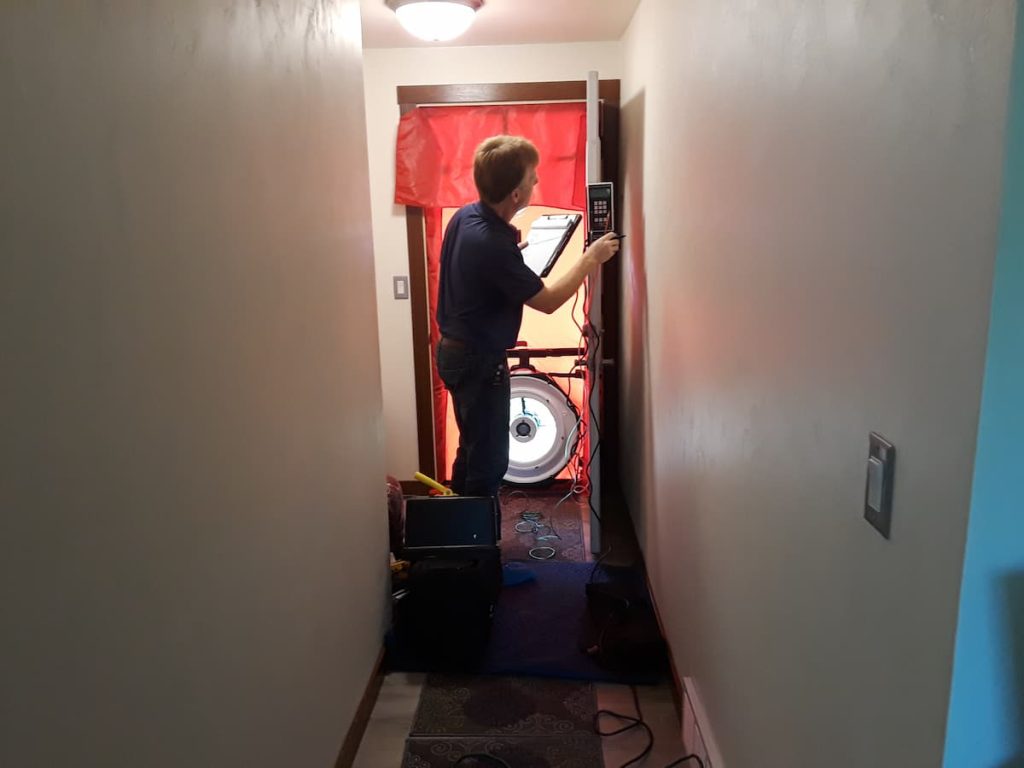
When we come to your home, we start by asking questions — about your utility bills, about the rooms that never seem comfortable, about any moisture, odor, or air quality issues you’ve noticed. Your experience living in the home is data, and it’s often the most useful data we have.
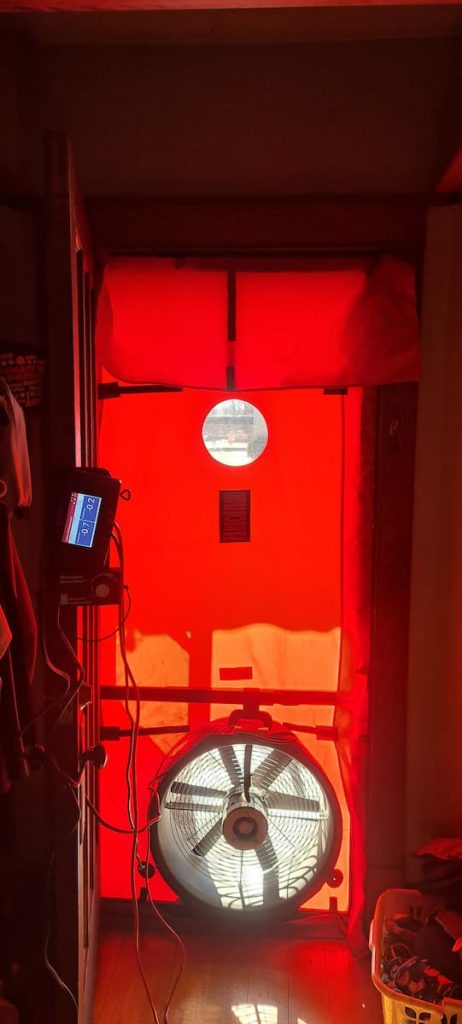
From there we conduct a blower door test. This involves temporarily sealing your home and using a calibrated fan to depressurize it — essentially putting your house under a controlled vacuum. The equipment tells us precisely how much air your home is losing, which is a key indicator of both energy efficiency and indoor air quality. While the house is depressurized, we can use other tools to find exactly where that air movement is happening.
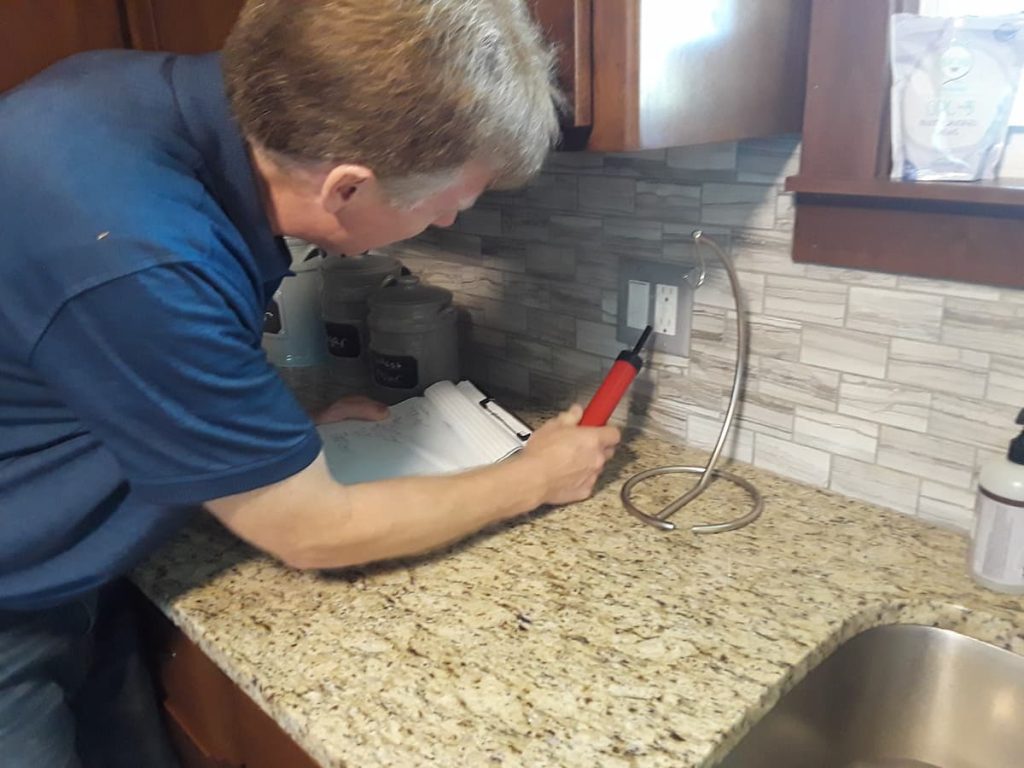
We also perform combustion safety testing on your gas appliances — furnaces, water heaters, and similar equipment. This is a requirement of our BPI certification and something many contractors skip entirely. It checks that your appliances are operating safely and not introducing harmful byproducts into your home’s air. It takes a few minutes and has caught serious problems in homes that looked perfectly fine on the surface.
Finally, we do a visual inspection of your attic, basement, and crawl space — the areas most homeowners rarely see and that most commonly drive comfort and efficiency problems.
At the end, you get a clear picture of what we found and what we’d recommend, in order of impact. No jargon, no pressure. Just information, so you can make a confident decision about what to do next.
Do You Actually Need One?
Not always — and we’ll tell you that upfront.
If you have a specific, well-defined problem — say, an under-insulated attic in a newer home with no air sealing concerns — we may be able to give you a straightforward recommendation without a full audit. We’re not going to recommend a process you don’t need.
But if you’ve been dealing with comfort problems that don’t have an obvious explanation, if your energy bills have been stubbornly high despite previous work, or if you’re starting to notice moisture, odors, or air quality concerns, an audit is almost always the right starting point. It makes sure we’re solving the actual problem rather than guessing.
An audit is also a valuable planning tool. Even if you’re not ready to do any work right now, knowing what your home needs — and in what order — lets you budget intelligently and make improvements on your own timeline rather than reacting to problems as they come up. We find that many homeowners appreciate having a clear picture of their options before committing to anything.
And sometimes people call us simply because they’re curious about their home. They’re not sure if anything is wrong, but they want to know if there are things they could or should be doing to make it more comfortable and efficient. That’s a completely valid reason for an audit — and often the most interesting ones we do, because there’s no preconceived idea of what we’ll find.
The Focus on Energy Connection
Wisconsin’s Focus on Energy program supports home energy audits as part of its rebate process. For many homeowners, the audit is the first step toward qualifying for rebates on air sealing and insulation work. We’re a certified Focus on Energy Trade Ally, which means we can walk you through that process from start to finish.
If you’re not sure whether an audit makes sense for your situation, just give us a call. We’re happy to talk it through — no commitment required.
Contact us here or fill out our estimate request form to get started.

- How Do Focus on Energy Rebates Work — and Do You Qualify? - April 26, 2026
- Why Are My Windows Wet — and Will New Windows Fix It? - April 16, 2026
- Three Questions to Ask Before Hiring an Insulation Contractor - April 15, 2026