
You thought you did everything right. You had insulation added to your attic hoping for a more comfortable home and lower energy bills, and… not much changed. The rooms that were cold before are still cold. Maybe the bills dropped a little, but nowhere near what you were hoping for. Now you’re wondering whether you were sold something that didn’t work, or whether you missed something along the way.
Here’s the straightforward answer: the insulation probably did work. It just didn’t work alone — because insulation only solves part of the problem.
Two Ways Buildings Lose Heat — and Why Both Matter
Heat escapes a home in two primary ways that we can actually do something about.
The first is conduction — heat passing through solid materials. Picture a cold glass of ice water. Even before you touch it, you can feel the cold near your hand. What’s happening is the warmth from your body is traveling through the air, through the glass, and into the ice, because heat always moves from warm to cold, looking for balance. Your walls, ceiling, and floors do the same thing — constantly conducting heat toward wherever it’s coldest. Insulation slows that process down significantly. That’s its job, and it does that job well.
The second way is convection — and this is the one most insulation jobs leave completely unaddressed. Air is a gas, and gases move from areas of high concentration to low concentration, always looking for balance. Think about pouring that glass of water onto a flat surface. It doesn’t stay in a column — it spreads out in every direction immediately. The warm, heated air inside your home does exactly the same thing, finding every gap, crack, and opening it can squeeze through and moving toward the cold outdoors — taking your energy dollars with it.
Insulation slows conductive heat loss. It does almost nothing to stop air movement.
Here’s Where It Gets Important
When warm air from inside your home moves into your attic, it carries moisture with it — because warm air always contains water vapor. When that air hits the cold attic space, it cools down. If it cools down enough to reach what’s called the dew point — the temperature at which air can no longer hold its moisture — that water vapor turns into liquid water inside your attic or wall cavity.
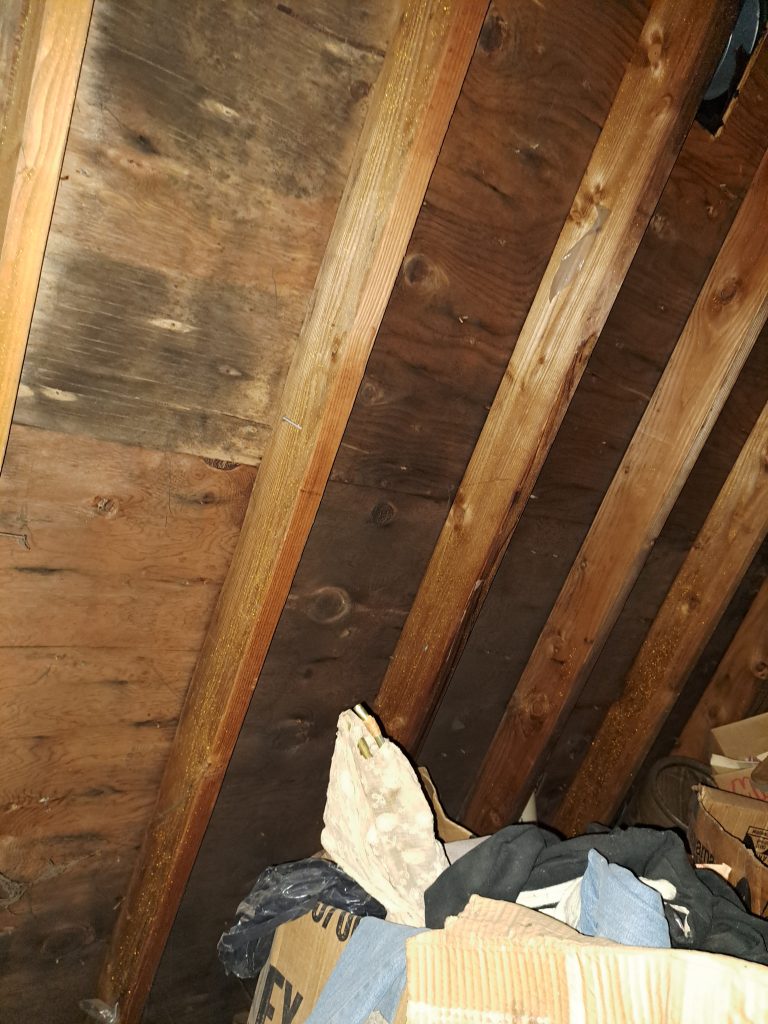
Now here’s the part that surprises most homeowners: adding insulation without air sealing can actually make this moisture problem worse, not better.
Here’s why. Better insulation keeps your attic colder than it was before — which means the warm, humid air moving through those unsealed gaps reaches its dew point sooner than it did previously. The air movement didn’t stop. You just made the conditions inside your attic more favorable for condensation.
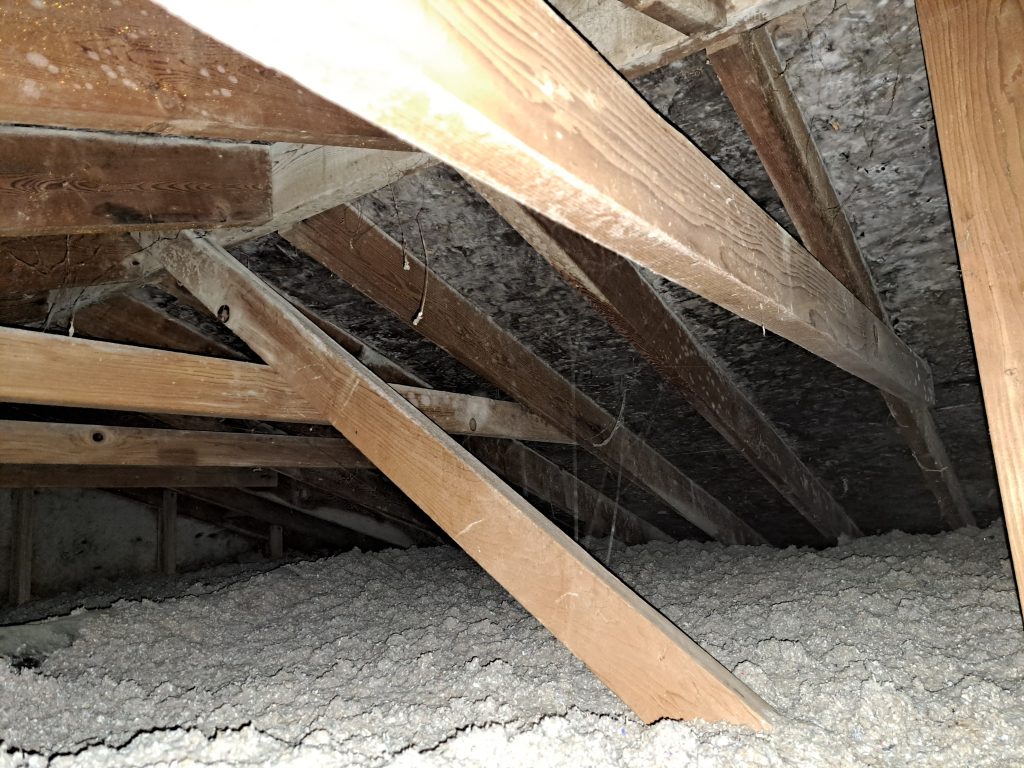
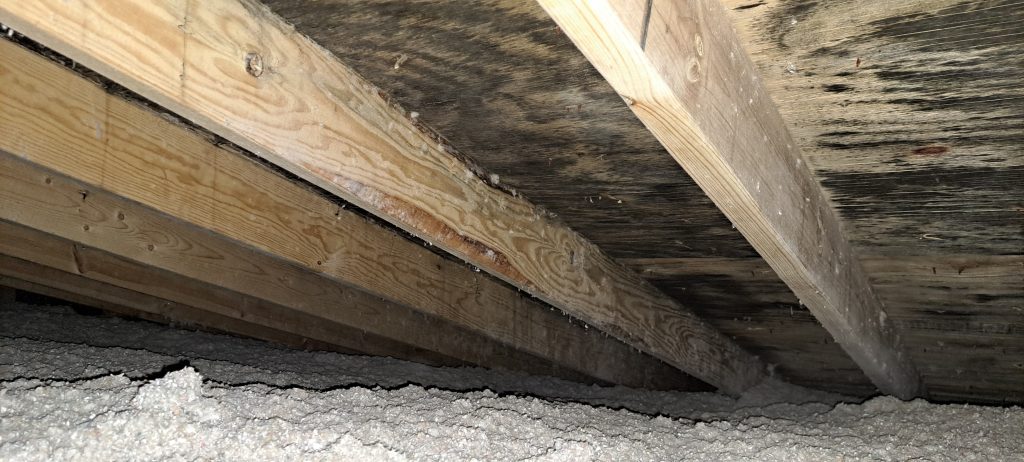
We know this happens because we’ve seen it firsthand. When we get into attics in homes that had insulation added without air sealing, moisture damage is one of the most common things we find — sometimes years after the original work was done.
What a Complete Job Looks Like
A home performance contractor — as opposed to a straight insulation installer — treats your home as a system. That means understanding how air moves through your specific house before recommending any work, air sealing the gaps and bypasses that insulation can’t address, and then installing the right amount of insulation for your situation.
We use a blower door test to measure exactly how much air your home is losing and find where it’s going. That information drives the work — which means you’re not paying for things your house doesn’t need, and you’re not missing the things it does.
The right sequence is always air sealing first, insulation second.
What About Focus on Energy Rebates?
Wisconsin’s Focus on Energy program offers incentives for both air sealing and insulation — but the two are linked. In most cases, one requires the other to be done at the same time to qualify, and eligibility depends on the existing insulation levels in your specific home. Every house is different.
If insulation was added to your home previously without air sealing, you may still be eligible for incentives on the next phase of work — but the only way to know for certain is to have someone come out and take a look. We’re a certified Focus on Energy Trade Ally, and walking through eligibility with homeowners is part of what we do. There’s no obligation in that conversation — just information, so you can make a confident decision.
The Bottom Line
If you had insulation added and didn’t see the results you were expecting, the missing piece is almost certainly air sealing. The good news is that it’s fixable, and in many cases there are still incentives available to help with the cost.
Contact us here or fill out our estimate request form to get the conversation started. We’ll take a look at what’s happening in your home and give you an honest picture of where things stand.

- Is the Air in Your Home Making You Sick? What Indoor Air Quality Really Means - April 30, 2026
- How Do Focus on Energy Rebates Work — and Do You Qualify? - April 26, 2026
- Why Are My Windows Wet — and Will New Windows Fix It? - April 16, 2026