
Most Wisconsin homeowners think about their home’s comfort in terms of temperature. Is it warm enough in winter? Cool enough in summer? Is one room always colder than the rest?
What most people don’t think about — until something goes wrong — is the air itself. Not how warm it is, but what’s in it. And increasingly, building scientists and health researchers are finding that what’s in the air inside your home matters more than most people realize.
Indoor air quality in Wisconsin homes — IAQ — is a relatively young science. We’re still learning how the various factors that affect the air inside a home interact with each other, and with the people living in it. What we do know is enough to take it seriously. And what we’re finding in Wisconsin homes suggests that most homeowners have at least one IAQ concern they’re completely unaware of.
What Indoor Air Quality in Wisconsin Homes Actually Means
IAQ refers to the condition of the air inside your home — specifically, whether it contains pollutants, irritants, or other factors at levels that affect health, comfort, or wellbeing.
The tricky part is that indoor air quality problems are almost never obvious. You can’t see most of what affects your air. You can’t smell it. And the symptoms it causes — fatigue, headaches, respiratory irritation, worsening allergies or asthma — are easy to attribute to something else entirely. Most homeowners who have IAQ problems don’t know they have them.
Here’s what we look for and why each one matters:
Fresh air and air exchange.
Every home needs a certain amount of fresh outdoor air to dilute the pollutants generated by normal daily life — cooking, cleaning, breathing, bathing. The rate at which a home exchanges its indoor air for outdoor air is called air changes per hour, or ACH. Too little fresh air and pollutants accumulate. Too much uncontrolled air movement and you’re losing energy and inviting moisture problems. Finding the right balance is one of the core challenges of whole-house IAQ management.
CO2 levels.
Carbon dioxide is a natural byproduct of human respiration. In a well-ventilated home it’s not a concern. In a tighter home without adequate fresh air exchange, CO2 levels can rise to the point where occupants feel fatigued, have difficulty concentrating, or experience headaches — often without understanding why. CO2 monitoring is one of the simplest and most informative ways to assess whether a home is getting adequate fresh air.
Humidity.
As we’ve discussed in previous posts, moisture is one of the most common and consequential IAQ factors in Wisconsin homes. Too much humidity creates conditions favorable to mold, dust mites, and other biological pollutants. Too little — especially in older homes during winter — causes its own comfort and health issues. Managing humidity is one of the most important things a homeowner can do for their indoor air, and it’s closely connected to how well a home is air sealed and ventilated.
Combustion byproducts.
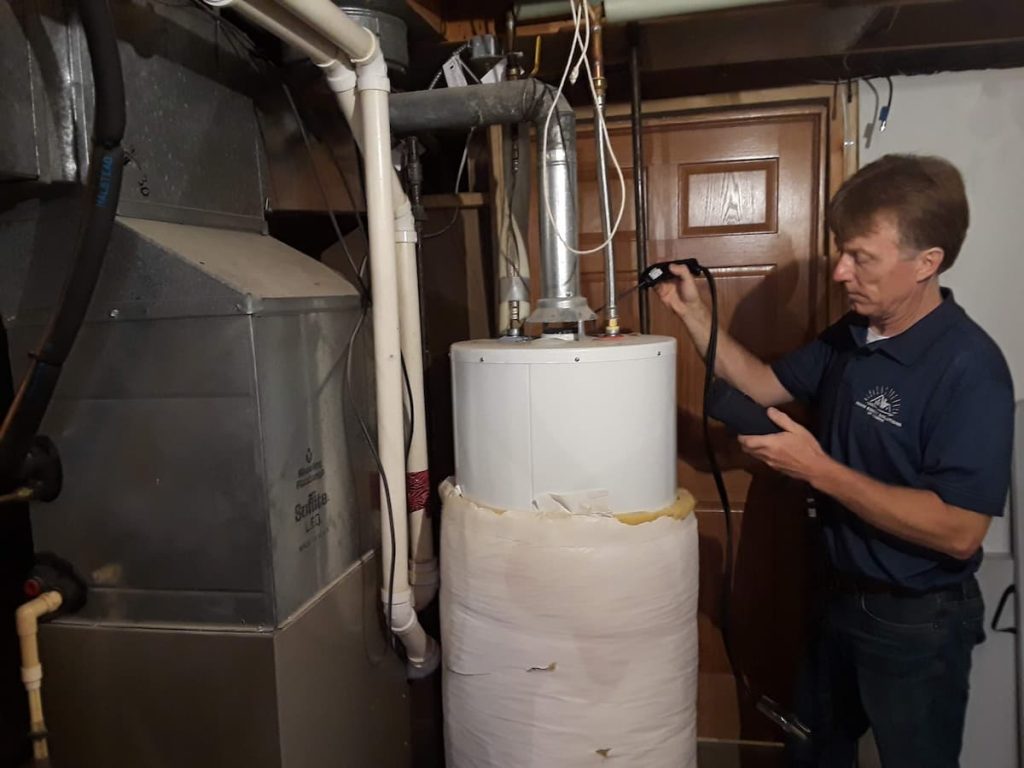
Homes with gas appliances — furnaces, water heaters, gas ranges — produce combustion byproducts including carbon monoxide. CO is colorless, odorless, and at elevated levels, dangerous. We perform combustion safety testing on every gas appliance as part of our standard home performance work — it’s a BPI requirement and something many contractors skip entirely. Beyond CO, combustion can also produce other byproducts worth monitoring as our understanding of residential IAQ continues to develop.
Radon.
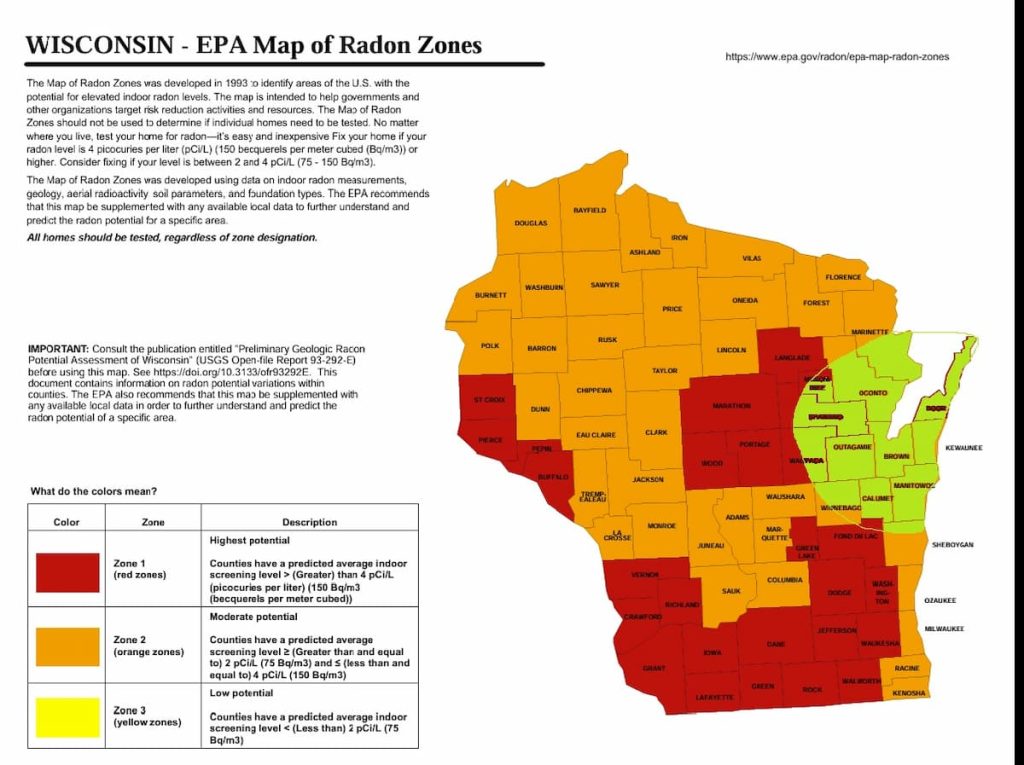
Radon is a naturally occurring radioactive gas that forms from the breakdown of uranium in soil and rock. It enters homes through foundation cracks, sump pits, and other openings in the building envelope — and because it’s colorless and odorless, the only way to know if it’s present at concerning levels is to test for it. Radon is the second leading cause of lung cancer in the United States after smoking, and Wisconsin has significant radon risk in many areas. Testing is straightforward, and mitigation when needed is well-established. It’s one of the most important — and most overlooked — IAQ concerns in residential homes.
VOCs — Volatile Organic Compounds.
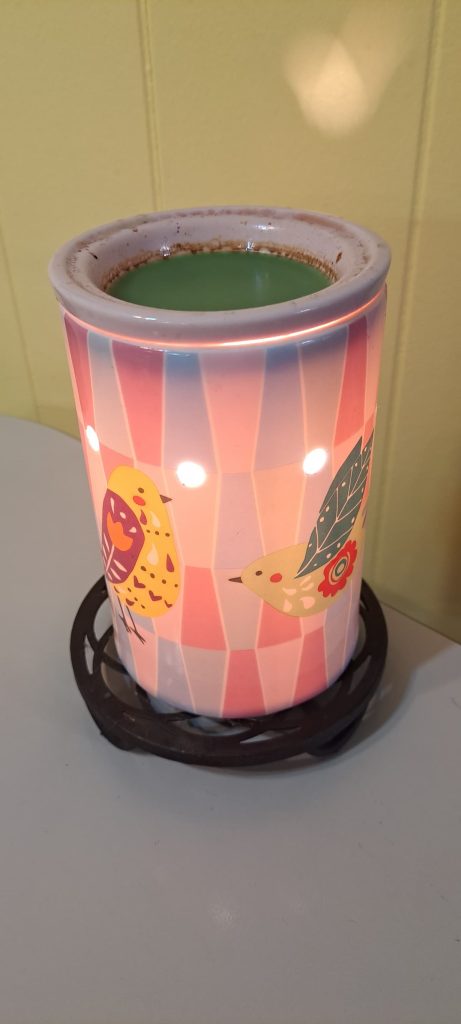
VOCs are gases emitted from a wide range of household products and materials — paints, cleaning products, furnishings, flooring, adhesives. Some are relatively benign. Others are associated with health effects ranging from eye and respiratory irritation to more serious long-term concerns. VOC levels in homes are often higher than people expect — particularly in newer construction where materials are still off-gassing, but also in any home where common household products are regularly used. Plug-in air fresheners and scented wax warmers are among the most significant and least recognized VOC sources we encounter. They’re in a large percentage of the homes we visit, and most homeowners are surprised to learn that products marketed to make their home smell better are actively affecting their air quality.
Particulate matter — PM2.5.
Fine particles smaller than 2.5 microns — small enough to penetrate deep into the lungs — come from cooking, candles, wood burning, outdoor pollution infiltrating the home, and biological sources like pet dander and dust mite debris. The scented wax warmers mentioned in the VOC section above are also a particulate source — another reminder that most IAQ factors don’t operate in isolation. One product, two problems. PM2.5 exposure is associated with respiratory and cardiovascular health effects and is one of the more actively researched areas of residential IAQ science.
Why Building Scientists Are Well Positioned to Address IAQ
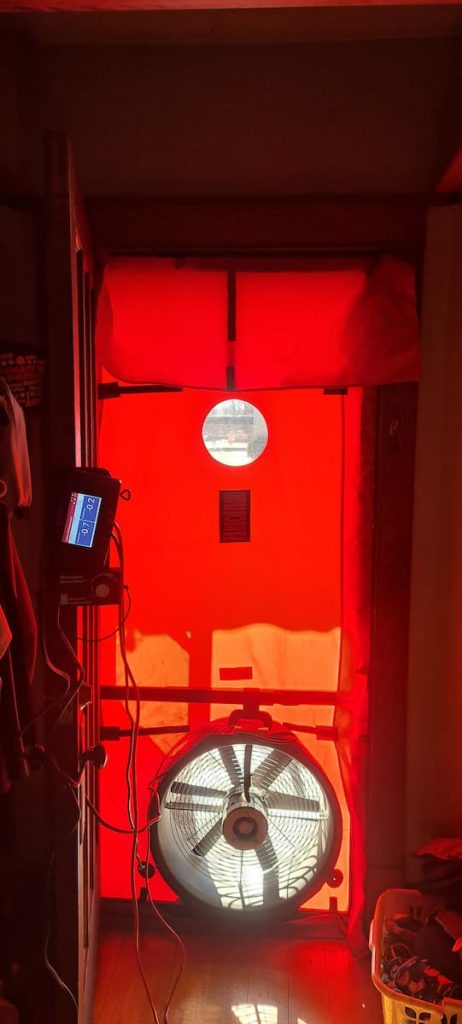
IAQ is a whole-house problem. The factors that affect your indoor air — ventilation rates, moisture levels, combustion appliance performance, air movement through the building envelope — are all interconnected. Addressing one without understanding the others often produces incomplete results or creates new problems in the process.
This is where a home performance approach has a natural advantage. We’ve spent years looking at Wisconsin homes as complete systems — understanding how air moves, where moisture comes from, how the building envelope interacts with the mechanical systems inside it. The diagnostic tools we already use — blower door tests, infrared cameras, combustion safety analyzers — are foundational IAQ tools as well as building science tools.
What we’re doing now is building on that foundation intentionally. IAQ as a formal discipline is evolving rapidly, and we’re committed to staying at the forefront of it — pursuing advanced training and certifications, investing in dedicated monitoring equipment, and developing a systematic approach to IAQ assessment and remediation that reflects the best current science.
We already use Haven Room Monitors to measure relative humidity, particulate matter, and VOC levels in the homes we work in. What those monitors are telling us — consistently, across home after home — is that IAQ concerns are far more common than most homeowners suspect. Humidity is the most frequent finding, but it’s rarely the only one.
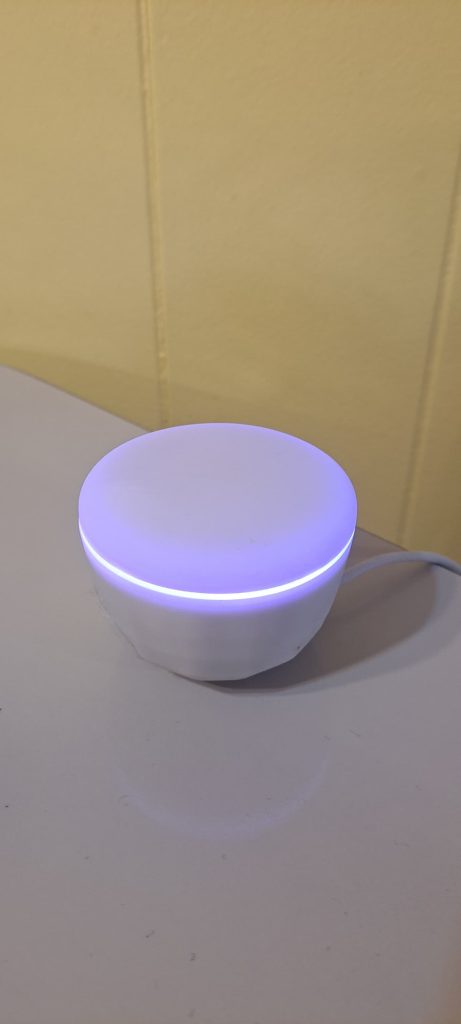
What We’re Finding in Wisconsin Homes
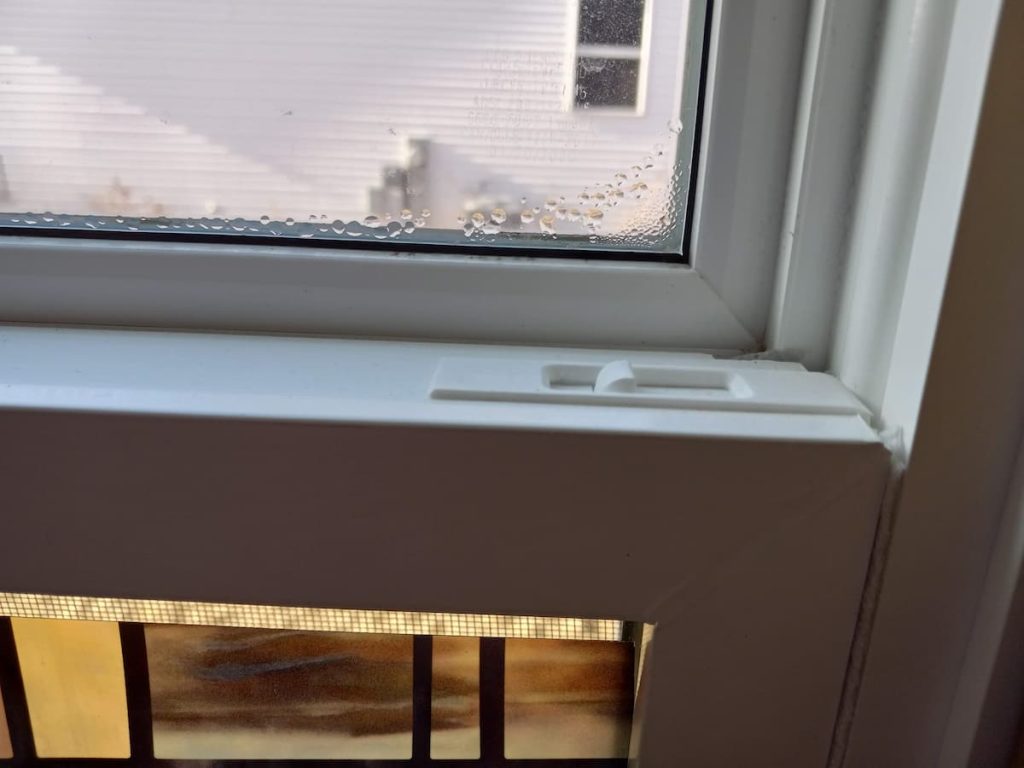
In almost every home we enter for insulation, air sealing, or energy assessment work, we find at least one indoor air quality-related concern. Most often it’s humidity — either too high, creating conditions for moisture damage and biological growth, or poorly managed relative to outdoor temperatures, showing up as window condensation. But the conversation doesn’t stop there.
We’re increasingly finding homes where ventilation rates are inadequate for the number of occupants and the activities happening inside. Homes where combustion appliances aren’t performing as safely as they should. Homes where the occupants have been experiencing symptoms — fatigue, respiratory irritation, worsening allergies — that they’ve attributed to everything except their indoor air.
The window condensation is rarely just a window problem. The headache is rarely just stress. And the persistent cough is rarely just seasonal allergies. Sometimes — more often than most people realize — it’s the house.
What This Means for You
You don’t have to be experiencing obvious symptoms to benefit from understanding your Wisconsin home’s indoor air quality. Think of it the way you’d think about any other preventive health measure — the best time to address a problem is before it becomes serious.
If any of the following sound familiar, it’s worth having a conversation:
Someone in your home has asthma, allergies, or unexplained respiratory symptoms that seem better when you’re away from home. You’ve noticed persistent musty odors, visible moisture, or condensation issues. Your home feels stuffy or stale, especially in winter when windows are closed. You have gas appliances and aren’t sure when they were last tested for safe operation. You’ve recently done renovations, added new flooring or furniture, or moved into a newer home. You have plug-in air fresheners or scented wax warmers in regular use and have never thought about what they’re putting into your air.
We’re currently building out our IAQ assessment capabilities and have availability for homeowners who want to start the conversation. This isn’t a hard sell — it’s an education-first process, consistent with how we approach everything we do. We’ll tell you what we find, explain what it means, and give you honest recommendations about whether and how to address it.
Contact us here or fill out our estimate request form to start the conversation. If you have questions about your home’s indoor air quality, we’d be glad to talk through what we’re seeing and what we can do about it.

- Is the Air in Your Home Making You Sick? What Indoor Air Quality Really Means - April 30, 2026
- How Do Focus on Energy Rebates Work — and Do You Qualify? - April 26, 2026
- Why Are My Windows Wet — and Will New Windows Fix It? - April 16, 2026